Manufacturing & production
Machine operator, production helper, packing, quality checker, line supervisor.
Skilled, semi-skilled, non-skilled or a fresher: tell us about yourself and our team matches your profile to employer requirements. It takes about two minutes, and a resume is optional.
No degree needed for many roles. Choose the track closest to you and share the city where you want to work.
Fields marked * are required.
Machine operator, production helper, packing, quality checker, line supervisor.
Picker, packer, loader, inventory assistant, forklift operator, dispatch executive.
Security guard, supervisor, housekeeping, pantry and MEP helper.
Fitter, welder, electrician, CNC/VMC, maintenance, diploma and graduate engineers.
BPO, data entry, back-office, receptionist, accounts assistant.
Store associate, field sales, billing, delivery executive, driver.
Entry-level job options for 10th pass candidates in India: production helper, warehouse, security, housekeeping, delivery and retail. Documents needed and how to register.
Read guide Candidate guideJob options for 12th pass candidates in India: customer support, data entry, retail, logistics coordination, production and trainee roles. Skills to build and how to register.
Read guide Candidate guideJob options for ITI and diploma holders in India: fitter, electrician, welder, CNC operator, maintenance technician and trainee engineer roles. Documents and registration.
Read guide Candidate guideHow freshers can find their first job in India: trainee roles, campus drives, resume tips and interview preparation for graduates, diploma holders and engineers.
Read guide Candidate guideWhat to know about security guard, supervisor, housekeeping and facility staff jobs in India: roles, documents, shifts and how to avoid scams.
Read guide Candidate guideWarning signs of fake job offers in India and what to do: never pay for a job, verify the employer, protect your documents and report fraud.
Read guide Candidate guideSimple, practical interview preparation for factory, warehouse and plant jobs in India: what to carry, what to say, what employers check and common mistakes.
Read guide Candidate guideA checklist of documents commonly needed to join a job in India: Aadhaar, education certificates, bank details, photographs and verification papers.
Read guide Candidate guideA plain-language introduction to Provident Fund (PF) and ESI for workers in India: what they are, why they matter and how to check your account. Verify details on official portals.
Read guide Candidate guideA guide to popular ITI trades in India — fitter, electrician, welder, machinist, turner, COPA and more — with the jobs and growth paths each can lead to.
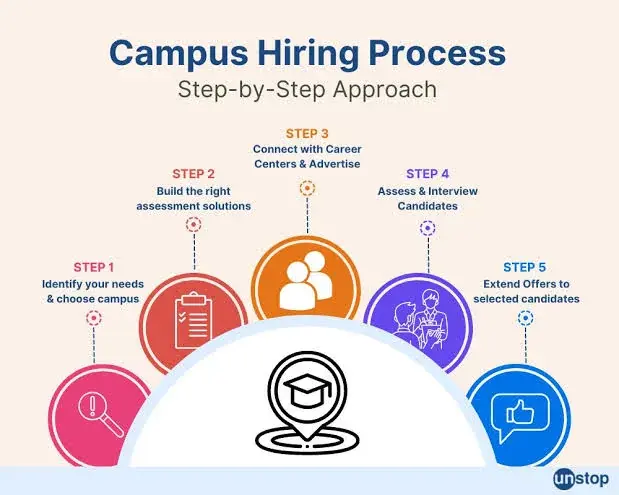
Read guide Candidate guideA student's guide to campus placement in India: eligibility, rounds, preparation, documents and what to do if you are not selected.
Read guide Candidate guideWrite a clear one-page resume as a fresher or entry-level candidate in India: structure, what to include, what to avoid and a simple checklist.
Read guideWhether you are a fresher, an ITI technician or an experienced engineer, these basics help you get the most from registration.
Employers usually ask for identity proof, address proof, education certificates and, for experienced roles, previous employment documents. Keeping scanned copies ready speeds up every step.
Say what you can actually do: machines you have operated, tools you have used, languages you speak. Employers test claims, and honest profiles match better and last longer.
Know the company and role, arrive on time, carry documents and be ready to explain your past work simply. For technical roles, revise fundamentals; for service roles, practise clear and polite communication.
Ask about wage structure, shift, weekly off, overtime, location and joining date before you accept. A good employer is happy to explain these.
UniqueToo does not charge candidates. Be cautious about anyone asking for registration fees, security deposits or payments for interview slots, in our name or anyone else's. Report such requests to us.
Skills, certificates and a good attendance record open better roles over time. Our role guides show typical growth paths from helper to supervisor, operator to technician, and trainee to engineer.
These scenarios demonstrate approach and capability. They are not claims about named clients or verified results.
 Illustrative
 candidate case study: a job seeker narrows the target role, checks eligibility and prepares evidence before applying.
Candidates may apply to many unrelated roles without knowing which qualifications, shift patterns or practical skills each employer expects.
A clearer, safer application journey that makes it easier to assess role fit. Registration does not guarantee an interview, job, salary or joining date.
Role fit · Evidence · Safe application · Follow-up01Connect learning, project evidence and a targeted application.
Course completion alone may not show how a candidate applies a skill.
The approachChoose a target role, complete a practical work sample and prepare role-specific interview examples.
Intended valueA more evidence-led application journey; no course or service guarantees employment.
 02
Manage eligibility, registration, assessment and follow-up.
Students, institutions and employers may receive inconsistent schedule updates.
The approachUse one drive calendar, eligibility checklist, communication path and milestone tracker.
Intended valueClearer programme coordination, dependent on employer participation and selection decisions.
 03
Present project goals, decisions, limitations and outcomes clearly.
A project demo can look polished but still lack a clear explanation of the problem and implementation.
The approachDocument the use case, architecture, tests, screenshots and next steps alongside the working demo.
Intended valueA project that is easier for a reviewer to understand and assess.
Share your goals, constraints and timeline. The next step starts with your actual requirement.