Different rhythms
Plants run shifts, hospitals run round-the-clock, retail follows footfall and agriculture follows seasons. Staffing plans follow the rhythm of the work.
From plants and warehouses to hospitals, campuses and stores, we match people to the realities of each industry.

Operators, technicians and supervisors for plants and assembly lines.
Explore
Drivers, loaders, dispatch and fleet support staff.
Explore
Pickers, packers, forklift operators and inventory staff.
Explore
Skilled trades, supervisors and site staff for projects.
Explore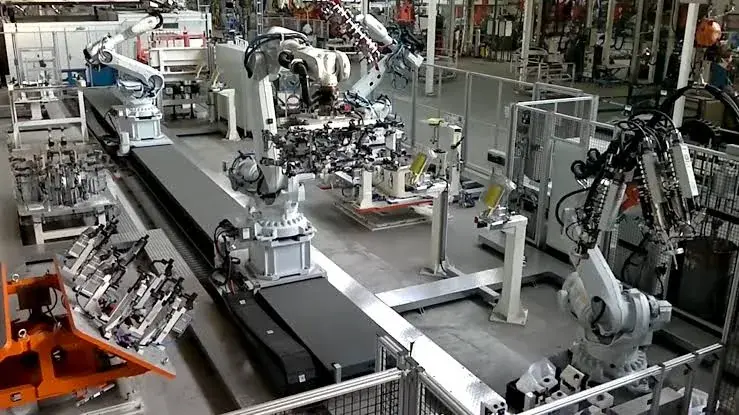
Machine operators, technicians and quality staff for auto plants.
Explore
Support staff, housekeeping, security and administrative teams.
Explore
Housekeeping, front-of-house and facility teams.
Explore
Sales associates, store staff and field executives.
Explore
Support executives, back-office and technical support staff.
Explore
Engineers, technicians and technical support professionals.
Explore
Seasonal crews, packers and plant operators.
Explore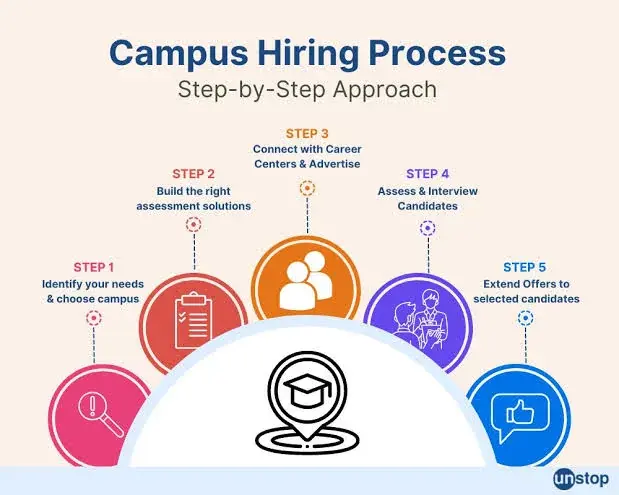
Campus placement, institute partnerships and campus support staff.
ExploreA worker who is excellent in a warehouse may not suit a hospital ward. Context decides fit.
Plants run shifts, hospitals run round-the-clock, retail follows footfall and agriculture follows seasons. Staffing plans follow the rhythm of the work.
Safety rules, hygiene expectations, certifications and customer audits vary by sector, so screening criteria vary too.
ITI and diploma pools feed manufacturing; hospitality institutes feed hotels; colleges feed IT services. We use the pools that fit each sector.
Absenteeism, seasonality, regulatory checks and safety incidents differ by industry. We plan for the risks that matter on your site.
These scenarios demonstrate approach and capability. They are not claims about named clients or verified results.
IllustrativeAn illustrative industry scenario showing how role demand, shift patterns, safety expectations and reporting can be translated into a practical delivery model.
A generic service model can overlook shift patterns, site access, qualification requirements and local operating constraints.
A more context-aware plan that can be validated with the organization before implementation.
Context · Capability · Delivery · Review01Account for shift patterns, site access, skills and operating constraints.
A generic workforce plan can miss site-specific skills, timing and safety requirements.
The approachMap the work environment, define role criteria and agree review and escalation points with the operating team.
Intended valueA context-aware plan that can be validated before implementation.
02Connect peak-season demand with role and shift readiness.
Demand spikes can strain picking, packing and dispatch coverage.
The approachPlan roles and mobilisation windows in advance and track open requirements and attendance gaps.
Intended valueA more visible peak-readiness process, with results measured against actual demand.
03Link role demand to site readiness and project phases.
Project timelines and location constraints make workforce availability difficult to coordinate.
The approachAlign skill requirements, location, induction and mobilisation dates with project milestones.
Intended valueClearer mobilisation ownership and a repeatable review process.
Share your goals, constraints and timeline. The next step starts with your actual requirement.
Tell us about your workforce and we'll tell you honestly whether we can help.